
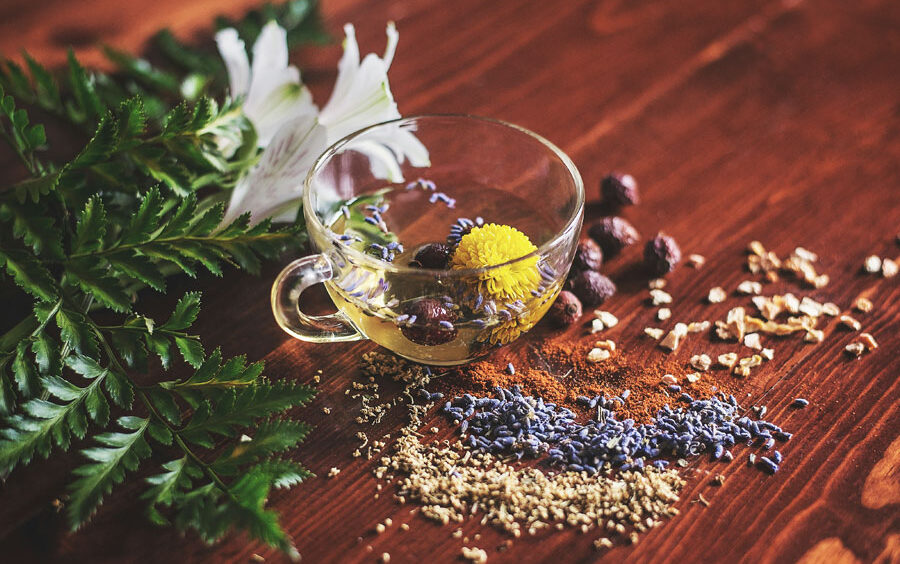
Herbal health has become a buzzword in recent years, captivating the attention of those seeking natural alternatives for wellness. With countless options available, navigating the world of herbal supplements can feel overwhelming. Whether you’re curious about boosting your immune system or finding relief from stress, understanding how to safely incorporate these remedies into your routine is essential. Let’s dive into the fascinating realm of herbal supplements and explore tips for safe use that will empower you on your wellness journey.
Understanding Herbal Supplements
Herbal supplements are products made from plants that claim to support health and wellness. They can come in various forms, including capsules, teas, extracts, and powders. Many people turn to these natural remedies for their perceived benefits.
The appeal of herbal supplements lies in their historical use across different cultures. For centuries, herbs have been utilized for healing purposes, from calming anxiety to boosting immunity. However, it’s crucial to understand that not all herbal products are created equal.
While many individuals find relief or improvement with herbal health options, risks do exist. Quality control varies widely among manufacturers—some may provide untested or contaminated products.
Basics
Herbal supplements are natural products derived from plants. They can come in various forms, such as capsules, teas, powders, and tinctures. People often turn to these alternatives for potential health benefits.
The use of herbs dates back thousands of years across different cultures. Many believe they can improve wellness or alleviate symptoms without the side effects commonly associated with pharmaceuticals.
However, not all herbal products are created equal. Quality and potency can vary significantly among brands and formulations. Understanding what you’re taking is essential for safe usage in your journey toward better herbal health.
Benefits and Risks
Herbal supplements can offer a variety of potential benefits. Many people turn to them for natural relief, improved energy, and enhanced wellness. Certain herbs have been linked to better digestion, reduced stress, and even boosted immunity.
However, not all herbal products are created equal. Quality varies significantly among brands and formulations. This inconsistency can lead to unexpected reactions or diminished effects.
Furthermore, herbal supplements may carry risks when combined with medications or existing health conditions. It’s crucial to weigh these pros and cons carefully before incorporating them into your routine. Always approach herbal health with informed caution.
Ensuring Safe Use
When delving into herbal health, ensuring safe use is paramount. Start by researching products thoroughly. Look for reputable brands with transparent ingredient lists and third-party testing.
Dosage and administration are critical factors in harnessing the benefits of herbal supplements. Always adhere to recommended doses on packaging or guidance from a healthcare provider to avoid potential side effects.
Be vigilant about interactions and side effects. Some herbs can affect medications or have adverse reactions in certain individuals. Monitoring your body’s response helps safeguard your well-being as you explore the world of herbal remedies.
Researching Products
When diving into herbal health, thorough research is essential. Start by checking the product’s ingredients and sourcing methods. Quality matters in herbal supplements.
Look for products that have been tested by third-party organizations. This ensures they meet safety and efficacy standards. Transparency from manufacturers indicates reliability.
Reading customer reviews can also provide insight into a product’s effectiveness and potential side effects. Engaging with community forums or expert blogs can lead to valuable experiences shared by other users, helping you make more informed choices on your journey toward better health through herbs.
Dosage and Administration
Dosage and administration of herbal supplements can vary significantly. It’s crucial to follow the recommended guidelines provided on the product label. These instructions are based on traditional usage, scientific research, or both.
Start with a lower dose to assess your body’s response before gradually increasing it if needed. This cautious approach helps prevent potential side effects and allows you to find what works best for you.
Always consider factors like age, weight, and overall health when determining dosage. Individual needs can differ widely, so personalization is key in optimizing your experience with herbal health products.
Interactions and Side Effects
Herbal supplements can interact with medications and other substances, leading to unintended effects. It’s essential to be aware of these interactions before incorporating any herbal health products into your routine.
Side effects from herbal supplements vary widely. Some individuals may experience mild symptoms like nausea or headaches, while others might face more severe reactions. Always monitor how your body responds after starting a new supplement.
To minimize risks, keep an open line of communication with your healthcare provider. They can guide you on potential interactions and help you make informed decisions about safe usage in conjunction with prescribed treatments.
Additional Resources
Finding credible information about herbal health can be challenging. Look for reputable websites, such as those from government health agencies or well-known medical institutions. These sources often provide scientifically-backed data and guidance on various supplements.
Books written by experts in herbal medicine are another excellent resource. They can offer insights into the history, uses, and benefits of different herbs.
Don’t underestimate online forums and communities focused on herbal remedies. Engaging with others who share similar interests can lead to valuable tips and shared experiences that enrich your understanding of herbal health.
Finding Credible Information
Navigating the world of herbal health can feel overwhelming. The internet is flooded with information, but not all sources are trustworthy. Start by looking for reputable websites that focus on health and wellness.
Peer-reviewed journals and publications from recognized institutions provide reliable data about herbal supplements. Organizations like the National Center for Complementary and Integrative Health (NCCIH) are excellent resources too.
Always check the author’s credentials before trusting any claims. Ensure they have expertise in herbal medicine or a related field to help you make informed decisions about your health choices.
Consulting with Healthcare Providers
When considering herbal health, consulting with healthcare providers is crucial. They can offer insights into the safety and efficacy of various supplements based on your individual health needs.
Your doctor or a qualified practitioner will help identify any potential interactions between herbal supplements and prescription medications you may be taking. This ensures that you’re making informed choices.
Remember to share all relevant information about your health history and current treatments. Open communication fosters a collaborative approach to wellness, allowing for safe integration of herbal supplements into your routine.
Case Studies and Clinical Trials
Case studies and clinical trials provide valuable insights into the effectiveness of herbal health. They often showcase how specific supplements can positively impact various conditions, revealing real-world applications.
One notable case study may highlight a patient with chronic pain who found relief through turmeric extract. Such experiences help illustrate the potential benefits of herbal remedies.
Clinical trials, on the other hand, offer a structured way to evaluate safety and efficacy. Rigorous research protocols ensure that findings contribute to our understanding of how these supplements work in diverse populations and settings.
Real-life Experiences
Many individuals turn to herbal health for various reasons. For some, it’s about holistic healing and a return to nature. Others seek relief from chronic ailments or stress management. Personal stories often highlight the transformative effects of these supplements.
One user shared that valerian root helped improve their sleep quality significantly. They had struggled with insomnia for years but found solace in this natural remedy.
Another person recounts how turmeric eased their joint pain, allowing them to enjoy activities they once avoided. These experiences illustrate the diverse impact herbal supplements can have on daily life and well-being.
Scientific Evidence
Research into herbal health has gained momentum in recent years. Many studies aim to understand how specific herbs impact human health. This evidence can help consumers make informed choices.
Clinical trials often assess the efficacy and safety of popular supplements. These trials provide insights into dosage, effectiveness, and potential side effects. Rigorous testing is crucial for establishing a solid foundation of knowledge.
Despite promising findings, not all herbal products have extensive research backing them. Always look for peer-reviewed studies when considering a supplement. Reliable data aids in making safer decisions regarding your wellness journey.
Expert Advice
Seeking professional guidance is crucial when venturing into herbal health. Experts can provide tailored advice based on individual health needs and conditions. They help you navigate the often-confusing world of herbal supplements.
Choosing a qualified practitioner is equally important. Look for professionals with experience in holistic or integrative medicine. Credentials, such as certifications from recognized organizations, add to their credibility.
Don’t hesitate to ask questions during consultations. A knowledgeable expert will willingly address your concerns about specific herbs, dosages, and potential interactions with other medications or therapies you might be using. This ensures a safe approach to incorporating herbal supplements into your routine.
Seeking Professional Guidance
When considering herbal health, seeking professional guidance is crucial. Many practitioners specialize in herbal medicine and can provide personalized advice tailored to your specific needs. They understand the complexities of different herbs and their effects on individual health conditions.
Consulting a knowledgeable expert helps you navigate potential risks associated with herbal supplements. These professionals can identify safe options that complement your current medications or lifestyle.
Choosing someone qualified ensures you receive accurate information and support throughout your wellness journey. This collaboration fosters a safer approach to integrating herbal supplements into your routine, maximizing benefits while minimizing adverse effects.
Choosing a Qualified Practitioner
Choosing the right practitioner for herbal health is crucial. Look for someone licensed and experienced in herbal medicine. Their qualifications should include certifications from reputable institutions.
Consider their approach to treatment. A qualified practitioner will take time to understand your unique needs and medical history before suggesting any supplements. They should value communication and encourage questions.
Don’t hesitate to ask about their experience with specific herbs or conditions. Personal recommendations can be helpful, but always verify the practitioner’s credentials independently. Finding a trustworthy expert can make all the difference in achieving safe and effective results with herbal remedies.
Conclusion
Navigating the world of herbal health can be a rewarding journey. By understanding how to use herbal supplements safely, you can unlock their potential benefits while minimizing risks. Remember to conduct thorough research and consult with healthcare providers before starting any new regimen. Your health is unique, and personalized guidance will help you make informed choices. Embrace this natural path with knowledge and caution for a holistic approach to wellness that suits your lifestyle.